What it Costs to Replace a Hot Water System in Sydney?
What it Costs to Replace a Hot Water System in Sydney?
When your hot water system starts acting up, figuring out what a replacement might cost is usually top of mind.
Replacing a standard electric hot water system on a ground-floor slab in a suburban home is a very different job to safely maneuvering a compact unit into a 14th-floor apartment cupboard in the Sydney CBD.
At GRH Plumbing, we believe clear, upfront information makes planning a lot easier.
To help you budget with confidence, here is a straightforward look at what goes into a hot water replacement, how to tell if a simple repair can get your hot water running again, and how to get an accurate quote without any guesswork.
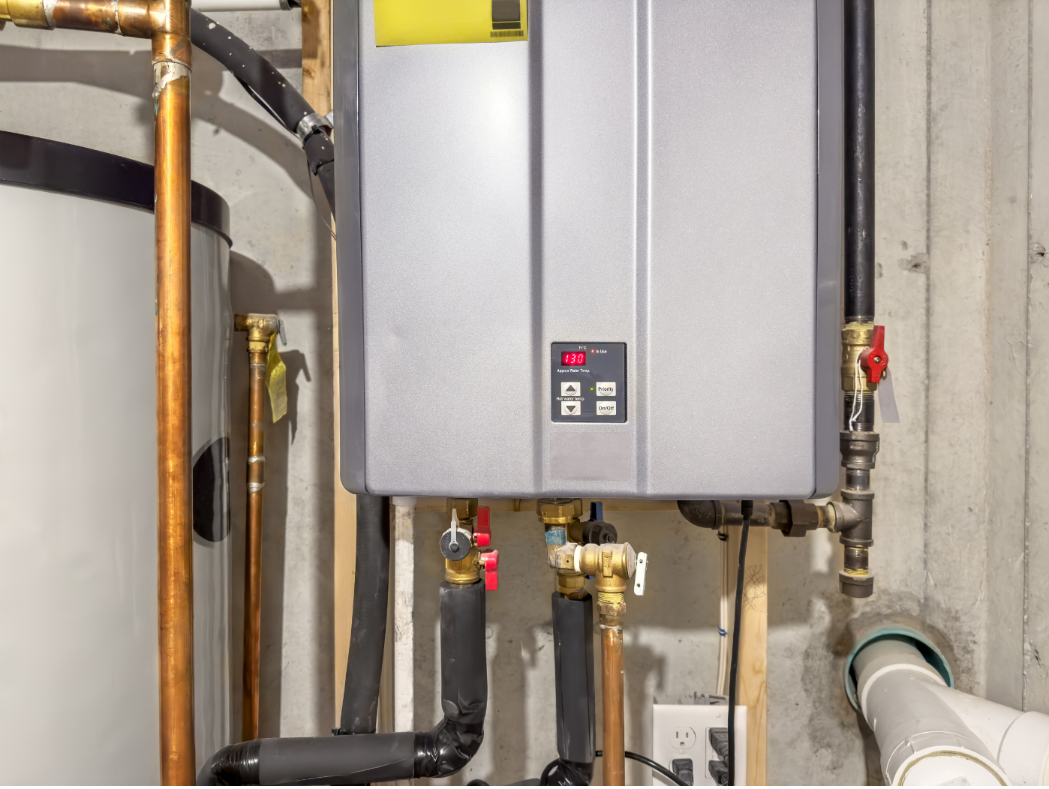
The 5 Things That Shape Your Hot Water Quote
Plumbing quotes come down to two things: the unit you buy and the labour to install it safely and legally. Here is what changes those numbers.
1. Is It a Straight Swap, or Are You Switching Systems?
The fastest and most affordable job is a like-for-like replacement. This means taking out an old system and putting the exact same type (and size) in the exact same spot.
Costs go up when you decide to change fuel sources or move the unit:
- Switching from electric to continuous flow gas hot water: Requires running new copper gas pipes from your meter and checking ventilation.
- Moving from a small unit to a high-capacity instantaneous system: Often means upgrading pipe sizes (from 15mm to 20mm or larger) so enough gas reaches the burner during peak use.
- Relocating the tank: Running new hot, cold, and relief drainage lines through walls or brickwork adds extra labour time.
2. Where You Live (Suburban House in Kellyville vs. Sydney CBD Apartment)
Accessibility plays a huge role in how long a job takes:
- Freestanding houses: If your unit is outside on a concrete slab with clear side-gate access, the job is straightforward.
- High-rise apartments & strata buildings: These take extra time. Navigating security clearance, tight basement loading docks, service lifts, and narrow European laundry cupboards requires careful maneuvering. Draining an 80-litre tank full of sludge and wheeling it through carpeted common hallways without spilling a drop requires extra care and gear.
3. Mandatory NSW Safety Upgrades
Under NSW Fair Trading and Australian plumbing standards (AS/NZS 3500), plumbers cannot simply hook up a new tank to outdated pipework.
If your old system was installed a decade ago, current safety laws require specific upgrades:
- Tempering Valve: Hot water tanks must store water at a minimum of 60°C to stop harmful bacteria (Legionella) from growing. However, water coming out of bathroom taps cannot exceed 50°C to prevent severe burns. A tempering valve mixes cold water in before it reaches your shower. If your setup does not have one, a plumber is legally required to install it.
- Pressure Limiting Valve (PLV): Sydney water mains can experience sudden pressure spikes. A PLV protects delicate internal tank cylinders from bursting under pressure and keeps your manufacturer warranty valid.
- Safe Tray & Drain: Indoor units must sit inside an overflow safe tray connected to an external drain pipe so a future leak does not ruin floorboards or flood the apartment downstairs.
4. Tank Size and Brand
A 50-litre tank designed for a single-occupant apartment naturally costs less to purchase than a heavy-duty 315-litre cylinder built for a busy household of five.
Brands matter too. Proven Australian staples like Rheem, Rinnai, Dux, and Vulcan use heavy-duty components and come with long tank warranties, making them far more reliable than generic hardware store alternatives.
5. Taking Away the Old System
Draining, disconnecting, and hauling away a rusted, water-logged tank and paying commercial tip or metal recycling fees takes time and physical effort. Reliable quotes always include old tank disposal so you are not left with a rusty eyesore on your front lawn or balcony.
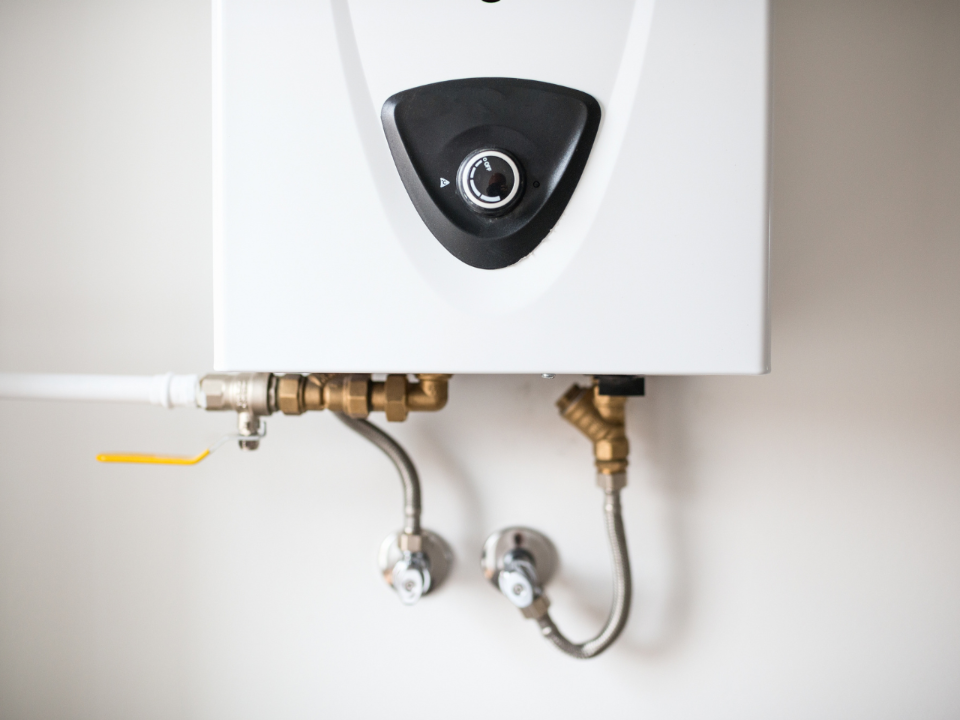
Repair vs. Replace: Do You Actually Need a New System?
Before committing to a full replacement, check this quick diagnostic guide. You might only need a quick part swap.
|
What You Notice |
What’s Likely Causing It |
The Verdict |
|
Water constantly trickling from the small drain pipe |
A worn-out pressure relief (PTR) valve that won't reseat |
Repair. Simple valve replacement; no need for a new tank. |
|
Water is lukewarm or runs out in minutes |
A blown electric heating element or failing thermostat |
Repair. A plumber can swap the element quickly. |
|
Water pooling under the tank base or seams |
The internal steel cylinder has rusted through and cracked |
Replace. You cannot patch a cracked tank; it will eventually burst. |
|
Rusty, discoloured hot water from every tap |
The internal sacrificial anode is gone and the tank is corroding |
Replace. The cylinder is actively degrading from the inside out. |
|
The system is over 10–12 years old and keeps acting up |
The unit has reached the end of its natural lifespan |
Replace. Paying for ongoing callouts quickly costs more than a fresh system. |

3 Things You Can Count On When You Book with GRH Plumbing
To ensure you receive clear, dependable service without any guesswork, our quotes always tick every box:
✔️ All-Inclusive Upfront Pricing: Every quote accounts for all legally required NSW safety valves and fittings from day one, so you know the exact scope of work before we turn a single screw.
✔️ Complete Clean-Up & Unit Disposal: We leave your home as tidy as we found it. Disconnecting, safely maneuvering, and disposing of your old tank is all part of the service.
✔️ Qualified, Certified Plumbers: Our technicians are fully licensed NSW trade specialists who ensure your installation complies with Australian plumbing regulations and manufacturer guidelines.
Want a Fast, Honest Quote Without the Guesswork?
You do not need to wait around all day just to find out what a replacement will cost for your home or apartment.
- Take a photo: Snap a picture of your current hot water setup, including the data sticker on the side of the tank.
- Send it to us: Upload it through our online booking form or message our team.
- Get an upfront quote: We will assess the access, capacity, and fittings needed and recommend if it is a replacement or a simple repair and what type of hot water system is best suited to your lifestyle and then provide a clear, competitive quote before any work starts.
Call the GRH Plumbing team on 0485 900 350, or book online today to take $50 off your service.