Guide to Choosing the Right Hot Water System
Electric, Gas, Heat Pump, or Solar? A Guide to Choosing the Right Hot Water System
There is never a good time for a cold shower.
When your hot water system starts acting up or reaches the end of its life, picking a replacement can feel a bit overwhelming. Between energy ratings, installation limits, and running costs, how do you know what will actually work best for your home?
The truth is, there isn't one "perfect" system for everyone.
An energy-sipping heat pump that thrives in an open backyard simply won't fit into a high-rise Sydney apartment cupboard. On the flip side, an instantaneous gas unit needs the right gas pipework to do its job.
To help you make the best choice without the technical headache, here is a straightforward, friendly breakdown of how each system works, who it suits, and how they stack up.
Quick Comparison: The Main Systems at a Glance
|
System Type |
Upfront Hardware Cost |
Running Cost |
Typical Lifespan |
Best Suited For |
|
Electric Storage |
Lower |
Moderate to Higher |
8–12 years |
Apartments, rentals, tight cupboards, smaller households. |
|
Instantaneous Gas |
Moderate |
Lower |
12–20 years |
Busy households wanting endless hot water on demand. |
|
Gas Storage |
Moderate |
Moderate to Lower |
10–12 years |
Homes with existing gas connections wanting a simple tank swap. |
|
Heat Pump |
Higher (offset by rebates) |
Very Low |
10–15 years |
Freestanding homes wanting ultra-low power bills. |
|
Solar Hot Water |
Higher |
Very Low |
12–15+ years |
Homeowners with sunny roofs looking for long-term power savings. |
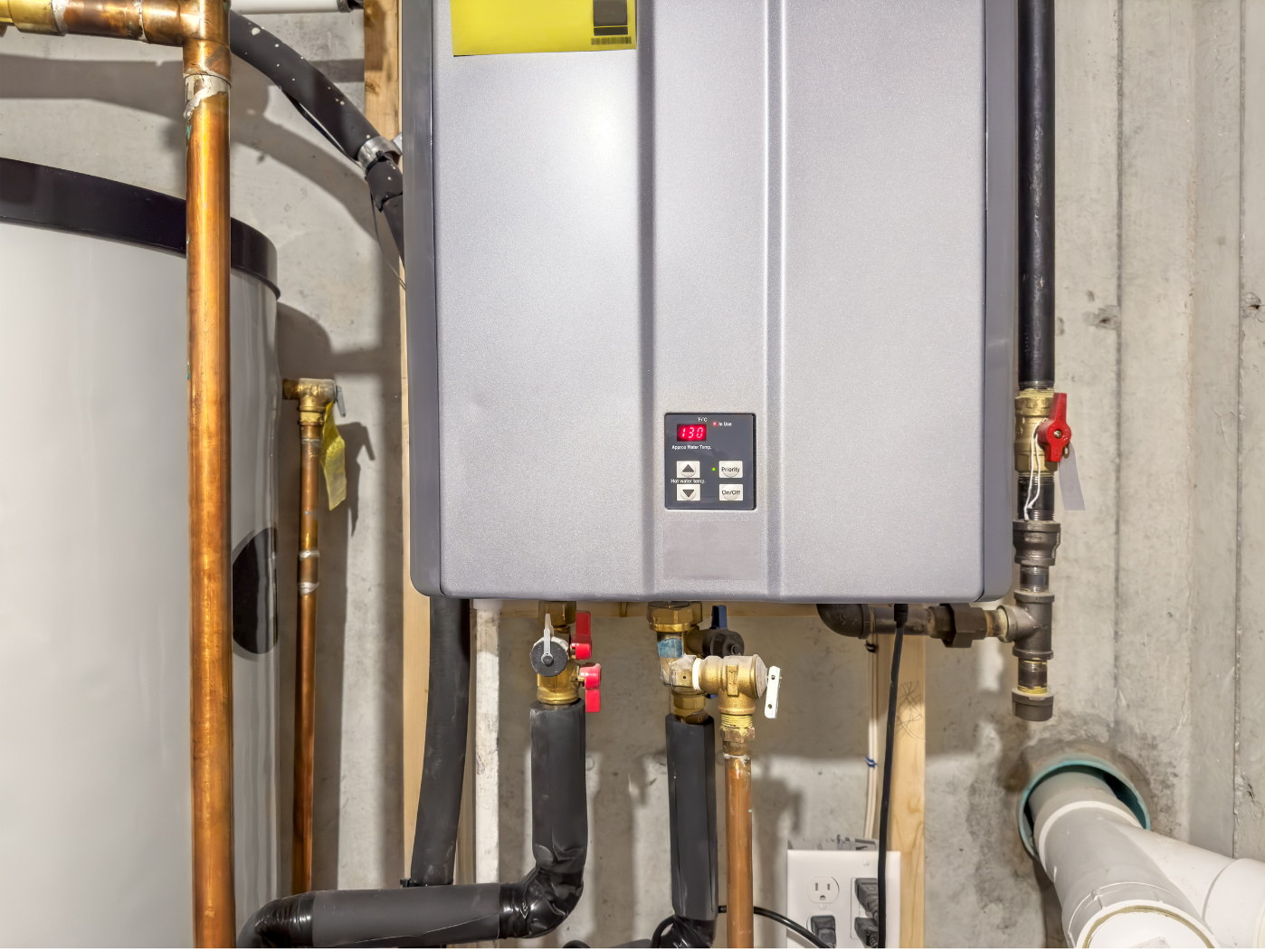
Electric Hot Water Storage Systems
Electric hot water tanks are the classic, dependable workhorses found across thousands of Sydney homes, units, and older apartment blocks.
- How it works: Water fills a well-insulated steel cylinder, where an electric heating element keeps it heated to a safe, steady temperature (at least 60°C to prevent bacteria). When you turn on the hot tap, heated water leaves from the top, and cold water enters the bottom to warm up.
- The Pros:
- Budget-friendly upfront: Usually the most affordable system to purchase and install like-for-like.
- Apartment friendly: Compact sizes (50L, 80L, and 125L) slide easily into kitchen cupboards, laundries, and indoor closets.
- Simple maintenance: Readily available parts (thermostats and elements) make repairs quick and straightforward.
- The Cons:
- Running costs can be higher because it uses standard grid electricity (unless connected to daytime solar panels or controlled off-peak power).
- If your family uses up the whole tank, you'll have to wait for the cylinder to reheat.
- Best for: Apartment dwellers, strata buildings, rental properties, and anyone looking for a simple, budget-conscious straight swap.
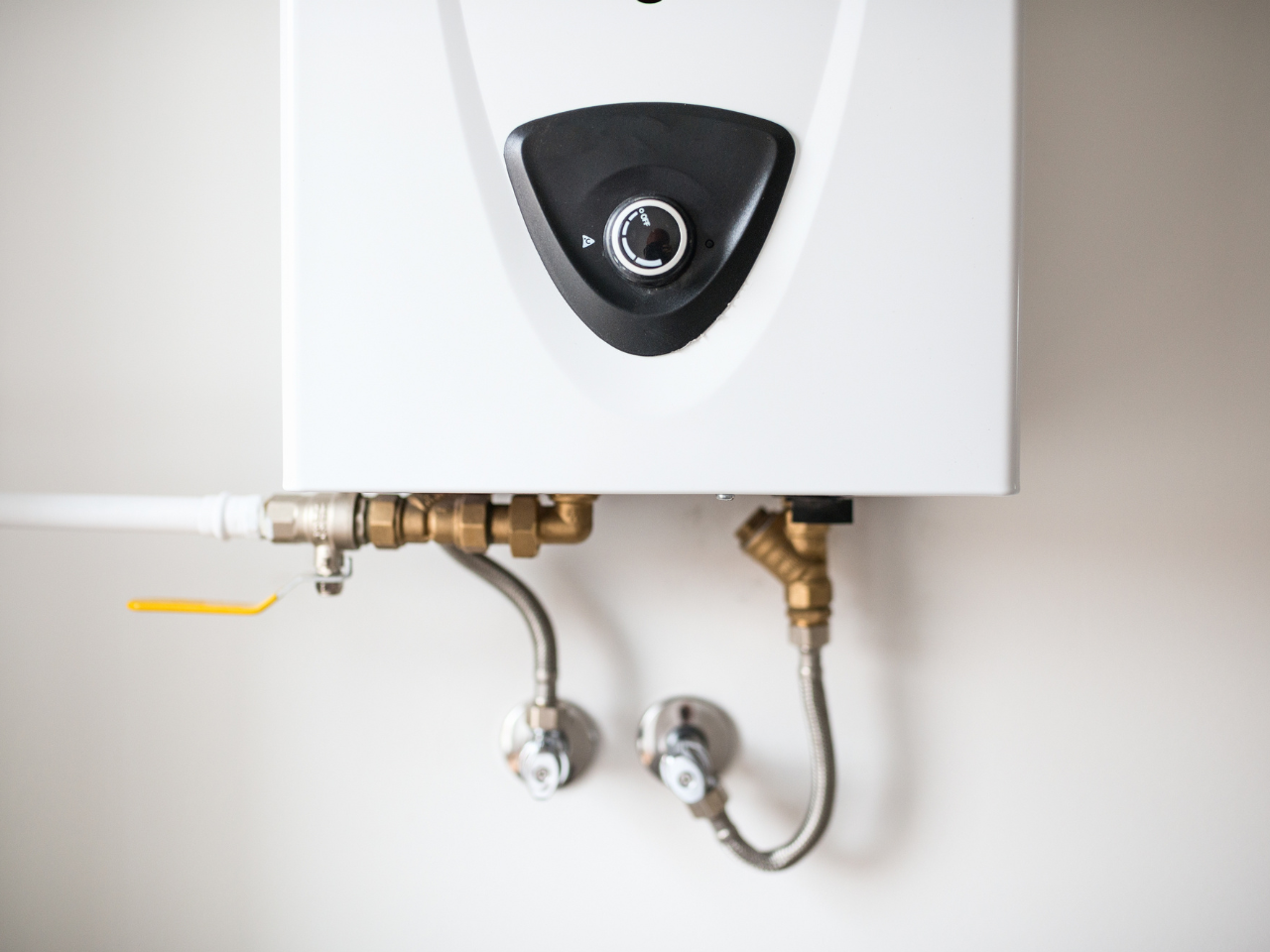
Gas Hot Water Systems
If your property is connected to natural gas (or LPG bottles), gas hot water is one of the most reliable, fast-heating solutions on the market. Gas systems generally come in two styles: Instantaneous and Storage.
Option A: Instantaneous Gas Hot Water (Tankless)
Instantaneous systems only heat water when you actually open a tap, ditching the bulky storage cylinder entirely.
- How it works: When you turn on a hot tap, a flow sensor triggers a powerful gas burner. Cold water passes through a copper heat exchanger, instantly warming up to shower temperature as it flows through to your tap.
- The Pros:
- Endless hot water: You will never run out during back-to-back morning showers.
- Tiny footprint: Wall-mounted units take up zero ground space, freeing up valuable storage.
- Energy efficient: No energy is wasted keeping a large tank warm all day ("standby heat loss").
- The Cons:
- Requires outdoor installation or a dedicated flue system, making indoor apartment setups tricky unless on an approved open balcony.
- Older homes may need a gas pipe upgrade (typically from 15mm up to 20mm) to handle the instant heating demand.
- Best for: Growing families and homes connected to natural gas who want endless showers and extra yard space.
Option B: Traditional Gas Storage Tanks
- How it works: A gas burner sits underneath a storage cylinder, continually keeping a stored reserve of hot water ready to go.
- The Pros: Excellent water pressure for simultaneous taps and an easy straight swap if you already have an older gas cylinder outside.
- The Cons: Takes up yard space and constantly uses gas to maintain tank temperature.
- Best for: Homes with an existing outdoor gas cylinder looking for an easy, fuss-free replacement.
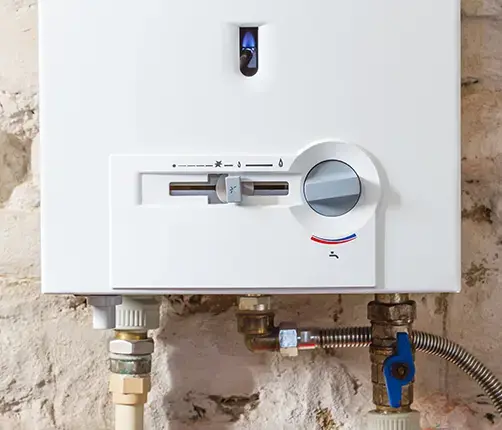
Heat Pump Water Heaters
Heat pumps are the modern, smart choice for homeowners looking to cut their electricity bills without putting panels on the roof.
- How it works: Think of a heat pump as a refrigerator working in reverse. Instead of burning gas or running a heavy electric element, a quiet fan extracts free ambient warmth from the outdoor air. A refrigerant cycle compresses that heat and transfers it directly into your water tank.
- The Pros:
- Huge savings: Uses up to 60–75% less electricity than a standard electric storage tank.
- Government rebates: Eligible for federal STC rebates and NSW Energy Savings Scheme (ESS) discounts that cut the upfront purchase price.
- Solar compatible: Can be set on a simple timer to run during the middle of the day, soaking up your rooftop solar energy.
- The Cons:
- Requires outdoor space with plenty of natural airflow—cannot be installed in a sealed cupboard.
- The fan and compressor create a low hum (similar to an outdoor split-system air conditioner), which may not suit close strata boundary lines.
- Best for: Freestanding suburban homes with outdoor space wanting dramatically lower power bills.

Solar Hot Water Systems
Solar hot water uses the pure, free power of the sun to provide the vast majority of your household's hot water needs.
- How it works: Solar collector panels (or evacuated glass tubes) sit on a sunny, north-facing roof. Liquid inside the panels absorbs solar heat and circulates down to an insulated storage tank on the ground or roof. On cloudy days or during heavy winter use, an electric or gas booster automatically steps in to keep your water steaming hot.
- The Pros:
- Drastically reduces your energy bills—enjoying practically free hot water through warm, sunny months.
- Significantly lowers your household's carbon footprint.
- Long lifespan with solid durability.
- The Cons:
- Highest initial setup cost of any system.
- Requires an unshaded, structurally suitable roof facing the right direction.
- Needs periodic roof-level servicing for valves and sensors.
- Best for: Homeowners with unshaded, north-facing roof space who plan to stay in their property long-term to maximize power savings.

How to Decide: 3 Questions to Point You in the Right Direction
If you are stuck between two choices, answering these three practical questions will quickly narrow the field:
-
What kind of property do you live in?
- Apartment or Strata Unit: An indoor electric storage tank or an open-balcony instantaneous gas heater is usually the cleanest, compliant choice.
- Townhouse or Freestanding House: You have the flexibility to choose between instantaneous gas, an efficient heat pump, or solar.
-
What energy sources do you already have?
- Existing gas connection: Upgrading to an instantaneous gas heater is fast, cost-effective, and gives you endless hot water.
- All-electric home: A modern heat pump is the premier way to slash your power bills without bringing gas onto the property.
-
How many people are showering under your roof?
- 1 to 2 people: A compact 50L–80L electric tank or a small 16L–20L instantaneous gas unit easily covers everyday needs.
- 3 to 4 people: A 160L–250L storage tank or a 24L–26L instantaneous gas system comfortably handles multiple taps running at once.
- 5+ people: A large 315L+ storage tank or a high-output 26L–32L instantaneous gas unit ensures no one gets stuck with a cold shower during morning rush hour.
Need a Hand Choosing the Right Setup?
Every home is built a differently.
Finding the right hot water system is about matching your family's routine, staying within budget, and ensuring the installation meets NSW plumbing standards.
If you are not sure which unit works best for your home, the friendly team at GRH Plumbing is ready to help. Snap a quick photo of your existing water heater and send it through our website booking form, or call us directly on 0485 900 350 for genuine, straightforward advice.
Book online today and enjoy $50 off your service.